
September averages
- Average high
- 80.1°F
- Average low
- 48.2°F
- Snow
- 0.8 in
- Precipitation
- 1.51 in
Monthly averages: NOAA U.S. Climate Normals 1991-2020, Denver-Stapleton station. Averages, not forecasts.
- September averages highs near 80 degrees in Denver, with about 0.8 inch of snow in the climate normals; the earliest freeze on record came on September 8, 2020.
- In fall, parts of Rocky Mountain National Park’s elk meadows are closed to off-trail foot travel from 5 p.m. to 10 a.m. to protect elk during the rut.
- Colorado’s traction law can be enforced on I-70 between Morrison and Dotsero from September 1 to May 31.
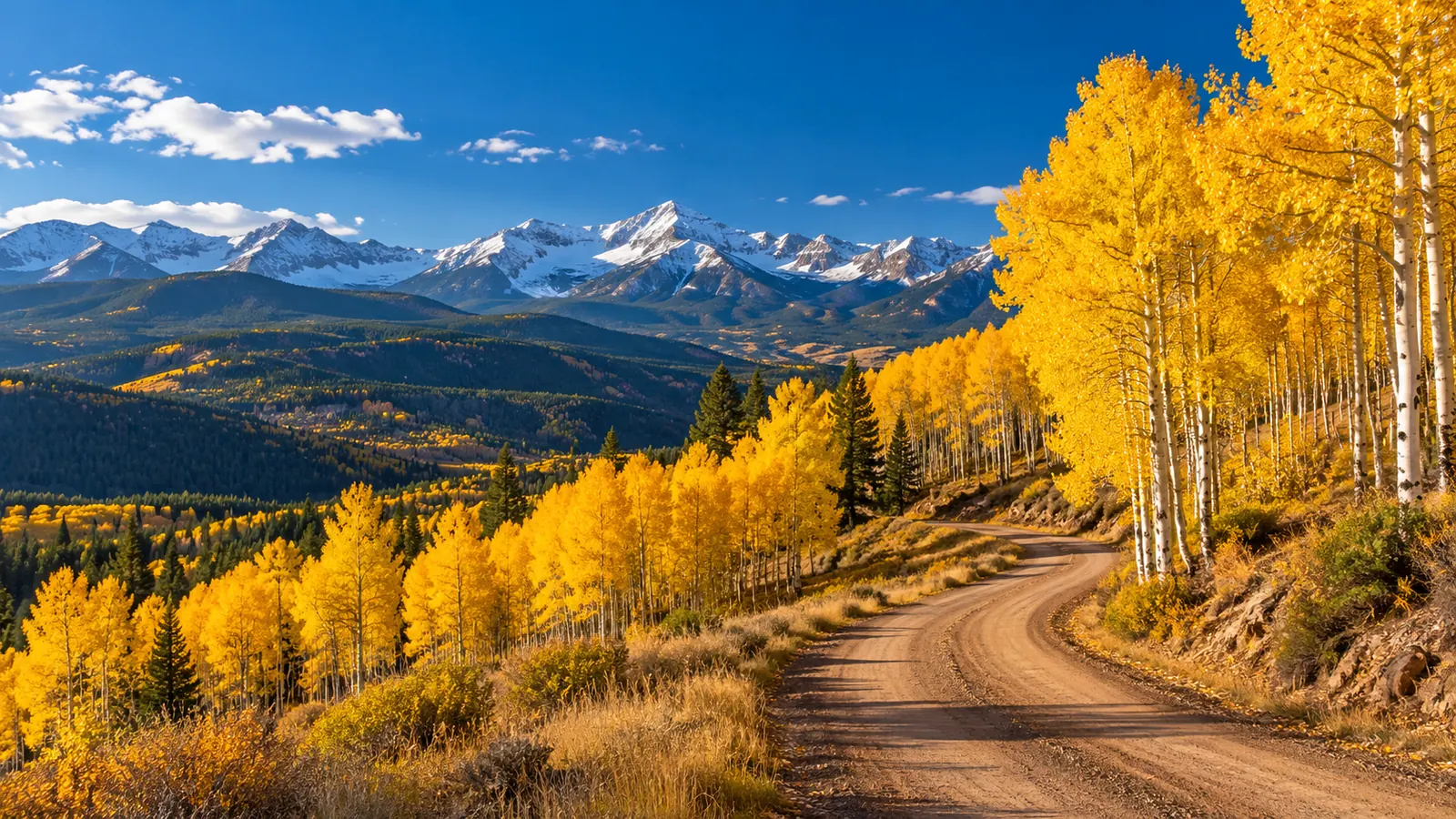
Ask long-time residents for their favorite month and many will say September. Days are warm and sunny, nights are crisp, and the high country starts to turn gold. It is also the month when winter first hints at its return, sometimes with a surprise snowfall.
September weather
| Measure | September normal |
|---|---|
| Average high | about 80°F |
| Average low | about 48°F |
| Days at 90°F or warmer | about 4 |
| Snowfall | about 0.8 inch |
| Precipitation | about 1.51 inches |
Early cold
The National Weather Service’s records show how early winter can show up. The earliest freeze on record in Denver came on September 8, 2020, followed by September 8, 1962. The same date in 2020 also brought the season’s first snow. On September 26-28, 1936, the city’s first snowfall of the season totaled 16.5 inches, one of the largest first snowfalls on record. Such events are rare, but a sudden cold front can turn a warm afternoon into a near-freezing night.
Tip: Keep tender potted plants near the door in September. If a cold front is forecast, you can bring them in quickly.
The elk rut
September is the start of the elk mating season, and Rocky Mountain National Park is one of the best places in the country to see it. The park explains that every autumn, elk come down from the high country to montane meadows. Large bulls, weighing up to 1,100 pounds, move among the herds of females and compete for them, mostly by displaying their antlers and bodies and by bugling. The bugle is a deep call that rises to a high squeal and ends in grunts; it carries across the meadows at dusk.
Watching responsibly
To protect elk and keep viewing possible, the park closes parts of Horseshoe Park, Moraine Park, Upper Beaver Meadows, Harbison Meadow and Holzwarth Meadow to off-trail foot travel from 5 p.m. to 10 a.m. daily during the fall mating season. Some river sections there are closed to fishing in the evening and early morning.
- Stay at least 75 feet, about two bus lengths, from elk.
- Use the rule of thumb: hold your thumb at arm’s length; if it does not hide the animal, you are too close.
- Do not use calls or artificial lights to attract wildlife; it is illegal in national parks.
- Stay with your car on busy evenings and do not block the road.
Timed entry reservations still applied in September 2026, through October 12, for entry between 9 a.m. and 2 p.m. Elk viewing is best in the evening, and you can enter after 2 p.m. without a reservation.
The rut is hard on the bulls. The park notes that prime bulls, eight to nine years old, have the best chance of mating, and that the competition involves little actual fighting, because fighting causes injury and wastes energy. With little rest or food during the season, bulls go into winter in poor condition. Giving them space is not just a rule; it helps them survive.
Fall fishing
Cooler weather is good fishing weather. Colorado Parks and Wildlife says the state offers more than 6,000 miles of streams and more than 1,300 lakes and reservoirs with over 35 species. An annual license bought in spring stays valid through March 31 of the following year. In the elk meadows of Rocky Mountain National Park, remember that some river sections close to fishing from 5 p.m. to 7 a.m. during the rut.
Winter driving rules begin
September 1 is the start of the period when the Colorado Department of Transportation can enforce the traction law on I-70 between Morrison and Dotsero, which runs to May 31. Early fall snow in the mountains is common enough that tires should be checked now if you plan to drive to see fall colors.
- The traction law requires adequate tire tread, at least 3/16 inch, and an all-weather or snow rating, among other options.
- In severe storms, the chain law requires chains or an approved alternative device.
- Fines start at $100 plus a $33 surcharge.
In the city
- Watering rules continue until October 1. Cooler nights mean lawns need less water; adjust timers.
- Plant trees and shrubs now so roots grow before winter.
- Service the furnace and check smoke and carbon monoxide detectors.
- Put the snow shovel where you can find it.
Fall color
Many newcomers make their first trip to see fall color in late September, when aspen groves in the mountains begin turning gold. Weekends on popular routes are crowded, so go early on a weekday if you can, and check road conditions before you leave. October brings the first freeze and, often, the first snow in the city; see Denver in October: First Freeze, First Snow and Closing Up Summer.