
July averages
- Average high
- 90.2°F
- Average low
- 59.3°F
- Snow
- none
- Precipitation
- 2.12 in
Monthly averages: NOAA U.S. Climate Normals 1991-2020, Denver-Stapleton station. Averages, not forecasts.
- July is Denver’s hottest month, averaging highs around 90 degrees and about 17 days at 90 or above, according to federal climate normals.
- Lightning strikes the United States about 25 million times a year and kills about 20 people a year, the National Weather Service says.
- On Ozone Action Days, Colorado’s health department suggests outdoor activity in the morning or late evening.
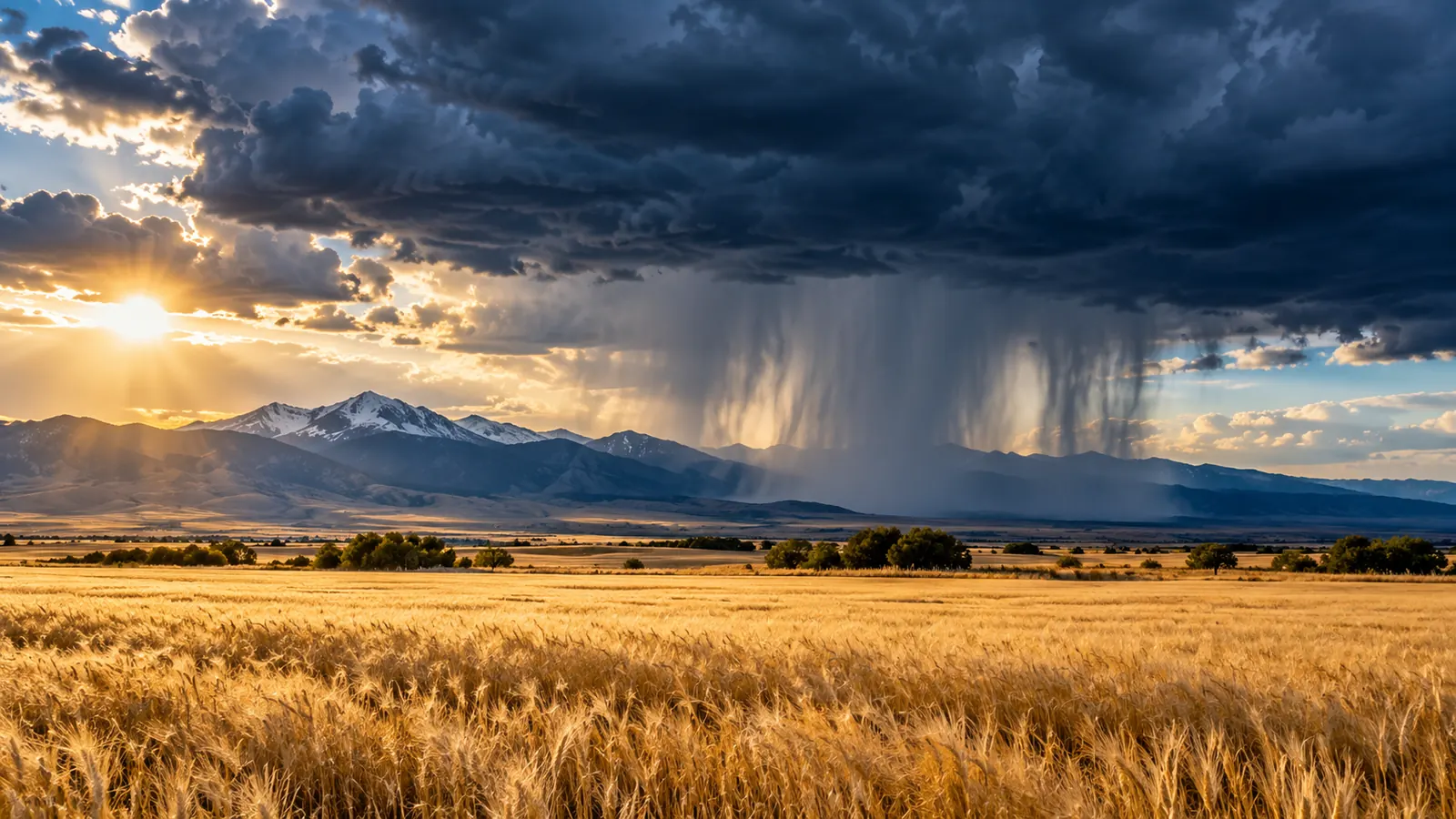
July is high summer in Denver. Afternoons are hot, the sun is intense and clouds build over the mountains most days. By late afternoon a thunderstorm may roll across the city, cool things down and move on, leaving a clear evening. Planning your day around that pattern is the key to enjoying the month.
How hot does it get?
| Measure | July normal |
|---|---|
| Average high | about 90°F |
| Average low | about 59°F |
| Days at 90°F or warmer | about 17 |
| Precipitation | about 2.12 inches |
These are averages from the federal climate normals for Denver’s Stapleton station. Low humidity makes the heat easier to bear than in many cities, and nights cool off well. Still, a string of hot days can strain anyone who works outdoors, older residents and pets.
- Run errands and exercise early in the day.
- Keep blinds closed on sunny windows in the afternoon and open windows at night.
- Never leave children or pets in a parked car.
- Check on neighbors who live alone.
The afternoon storm pattern
Much of July’s rain falls in short, intense afternoon storms. They can bring heavy rain, hail, gusty winds and lightning. The National Weather Service says lightning strikes the United States about 25 million times a year and kills about 20 people, with hundreds more severely injured. Most strikes happen in summer.
On the trail
- Start mountain hikes at dawn and plan to be off summits and exposed ridges by early afternoon.
- Turn back when clouds tower and darken; do not wait for the first thunder.
- If caught out, get off high points and away from isolated trees, and avoid open water.
- In town, the Weather Service’s slogan says it simply: flash, dash inside.
Tip: Check the hourly forecast for thunderstorm chances before you leave. A 30 percent chance of afternoon storms in the mountains is a reason to start earlier, not to cancel.
Ozone action days
July is also peak ozone season. The Colorado Department of Public Health and Environment explains that ground-level ozone forms when pollutants from vehicles, equipment and industry react in heat and sunlight, and that Colorado’s topography can trap pollutants for days at a time along the north Front Range. The state sends daily forecasts from May 31 to August 31, shares them with the National Weather Service and the Regional Air Quality Council, and labels high days as Ozone Action Day Alerts.
On those days the department suggests moving outdoor exercise to the morning or late evening and choosing gentler activities. The department notes that anyone who spends time outdoors when ozone is high may be at risk. Residents can help by keeping gas-powered vehicles well maintained and by recycling, which conserves energy.
Water and the lawn
July heat makes lawns thirsty, but Denver Water’s rules still apply: no lawn watering between 10 a.m. and 6 p.m., and in drought years only on assigned days. In its watering guidance, the utility says two days a week should be enough for bluegrass lawns during most of the summer. Use cycle and soak: water in short rounds so it sinks in instead of running off.
- Mow high; longer grass shades the soil and holds water better.
- Water trees and shrubs as needed, but not during the 10 a.m. to 6 p.m. ban.
- Skip watering after a heavy storm.
- Fix leaking sprinklers within 10 days, as the rules require.
Mountain parks
July is a busy month at Rocky Mountain National Park. Timed entry reservations were required in 2026 between 9 a.m. and 2 p.m., with reservations for August released on July 1 at 8 a.m. Elk move to higher elevations in summer to feed on tundra plants, the park says, so look for herds in high meadows. Stay at least 75 feet away from elk and other large animals.
By midsummer, the elk calves born in late May and June are growing fast. The park says calves can join the herd after about two weeks, are weaned at two months and lose their spots by late summer. If you hold a Timed Entry plus Bear Lake Road reservation, note the corridor rule: if you leave the Bear Lake Road area, you can only re-enter after 2 p.m.
Summer evenings in the city
The best part of July may be the evenings: storms clear, the air cools and the sunset lights up the mountains. City parks and patios fill up after 6 p.m. Bring a light jacket; it can feel cool by 9 p.m.
August keeps the heat but adds back-to-school routines and late-summer high-country trips. See Denver in August: Late Summer Heat and the Best High-Country Weeks.