
August averages
- Average high
- 87.9°F
- Average low
- 57.2°F
- Snow
- none
- Precipitation
- 1.83 in
Monthly averages: NOAA U.S. Climate Normals 1991-2020, Denver-Stapleton station. Averages, not forecasts.
- August averages highs near 88 degrees in Denver and about 12 days at 90 or warmer, according to federal climate normals.
- In summer, elk in Rocky Mountain National Park move to higher elevations to feed on tundra vegetation.
- Denver Water’s summer watering rules run through October 1.
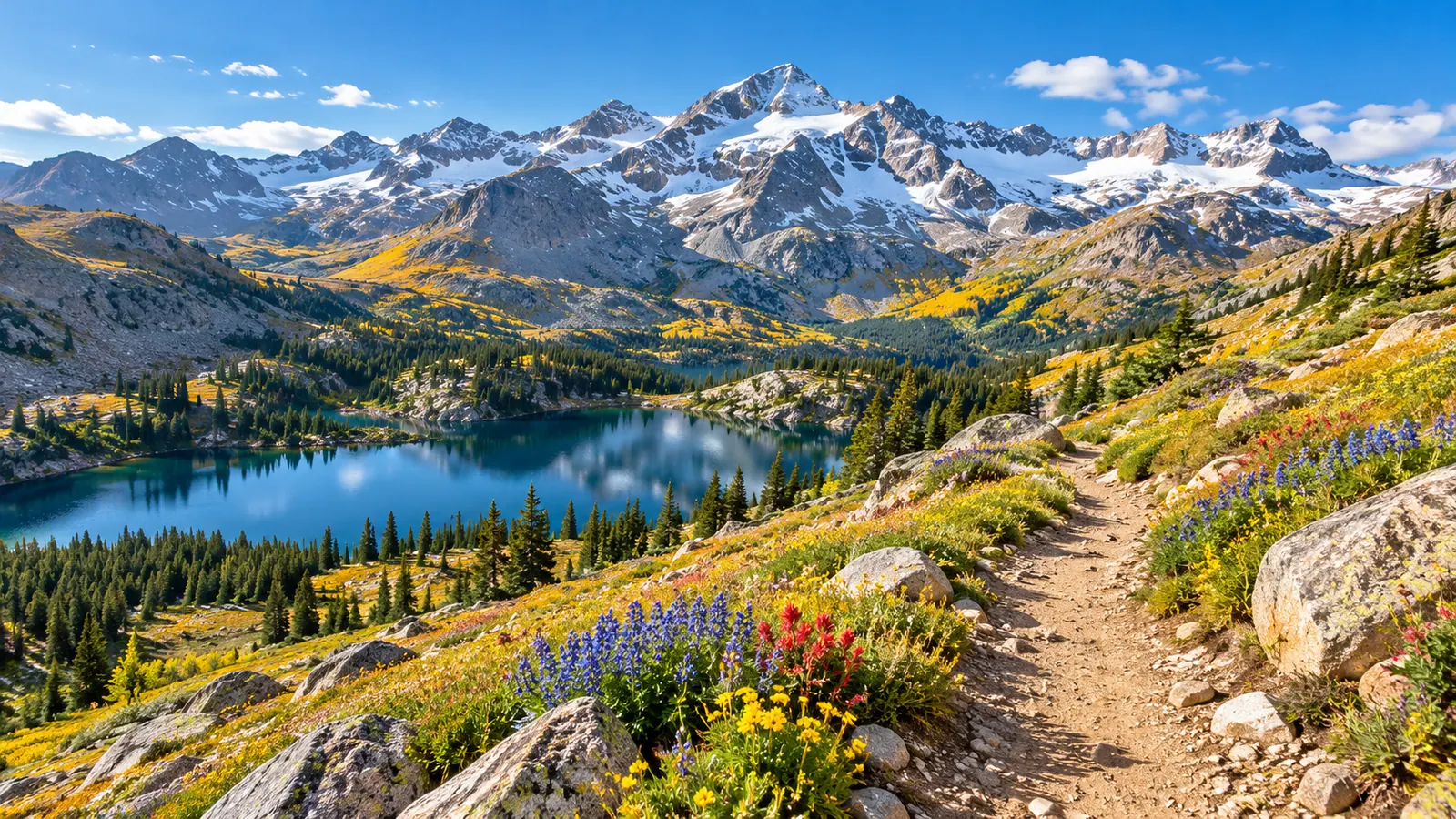
In August, Denver’s summer starts to wind down, though the heat does not always get the message. The city is still warm, afternoon storms still pop up, and lawns still need care. But for many residents August is the best month for the mountains: high trails are free of snow, wildflowers linger and the tundra is green.
August weather
| Measure | August normal |
|---|---|
| Average high | about 88°F |
| Average low | about 57°F |
| Days at 90°F or warmer | about 12 |
| Precipitation | about 1.83 inches |
Compared with July, August is a few degrees cooler on average and has fewer very hot days. Nights begin to lengthen noticeably by the end of the month. Afternoon thunderstorms remain common, especially over the mountains.
High-country season
August is when the highest trails and roads are most reliably open. Elk follow the same calendar: Rocky Mountain National Park says herds move up in summer to feed on tundra vegetation and come back down to lower elevations for autumn and winter. A late-summer drive or hike above treeline is a chance to see them grazing against the peaks.
Planning a national park visit
- In 2026, timed entry reservations were required from May 22 to October 12 for entry between 9 a.m. and 2 p.m.
- August dates were released on July 1 at 8 a.m. on Recreation.gov, with more released at 7 p.m. the evening before each date.
- One reservation covers one vehicle for one day and costs a $2 processing fee; an entrance pass is also required.
- The Bear Lake Road corridor needs a separate Timed Entry plus Bear Lake Road reservation from 5 a.m. to 6 p.m.
Entrance passes listed by the park include a $30 one-day vehicle pass, a $35 seven-day vehicle pass and a $70 park annual pass. If you plan several visits to national parks in a year, an America the Beautiful pass may be worth considering. The park accepts cards only at entrance stations.
Safety at altitude
- Start early and descend before afternoon storms; above treeline there is nowhere to shelter from lightning.
- Carry rain gear and warm layers, even on a hot day in the city.
- Drink plenty of water and take it slowly the first few times at high elevation.
- Stay on trails; tundra plants recover slowly from trampling.
Tip: If you do not have a reservation, the park says you can enter before 9 a.m. or after 2 p.m. Early entry also gets you on the trail before the storms.
Antlers in velvet
August is a good time to look closely at bull elk. Their antlers grow through spring and summer, sometimes an inch a day, covered in velvety skin. When the antlers are fully grown, the park explains, bulls scrape that layer off, and by September the antlers are solid bone, weighing up to 40 pounds on a mature male. Their size is on display as the autumn rut begins.
Air quality
The state’s daily ozone forecasts for the north Front Range run through August 31. On Ozone Action Day Alerts, the Colorado Department of Public Health and Environment suggests outdoor activity in the morning or late evening. The department also notes that wildfires are more common in summer and can add to air pollution, so smoky days may come with poor air quality as well.
Lawns and gardens
Denver Water’s summer watering rules continue until October 1. Late summer is when many lawns show stress, especially in drought years with assigned-day limits. A few tips from the utility’s guidance:
- Water before 10 a.m. or after 6 p.m.
- Keep bluegrass at 2.5 to 3.5 inches tall.
- Use short, repeated watering cycles so water soaks in.
- Do not let water run into the street or onto pavement.
Late August is also a good time to plan fall planting of trees and shrubs, which establish well in cooler weather.
If you plan to plant new sod, seed or trees in a drought year, check Denver Water’s rules first. In 2026 customers could apply for a watering establishment permit allowing extra watering of new bluegrass, sod, trees or plants for up to three weeks, or new native grass seed for up to eight weeks, while normal rates and drought pricing still applied.
Getting ready for fall
Fall in Denver can turn quickly. The National Weather Service says the earliest freeze on record came on September 8, 2020, and that the average first freeze is October 7. Before September:
- Check tires if you plan fall mountain trips; Colorado’s traction law can be enforced on I-70 from Morrison to Dotsero starting September 1.
- Service the furnace before the first cold night.
- Know where your snow shovel is. Yes, already.
Late-summer evenings
August evenings are some of the best of the year: warm enough to sit outside, cool enough to sleep with the windows open. Enjoy them. September brings golden aspens and the elk rut; see Denver in September: Golden Aspens, Bugling Elk and the First Chill.